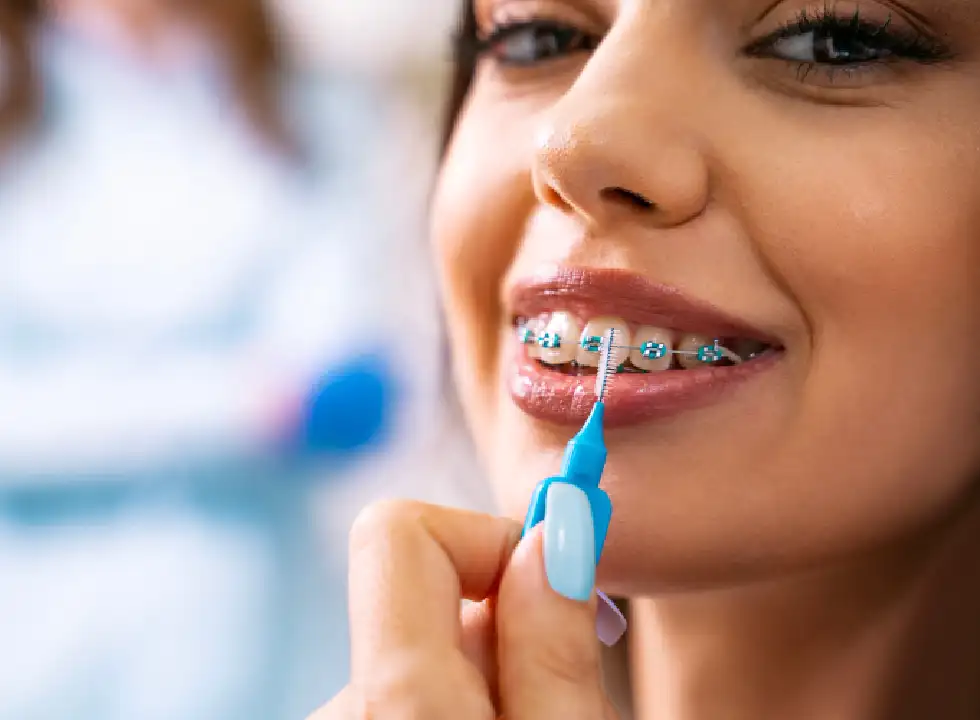
Dental Braces Techniques For Minimal Discomfort

Many people think getting braces means a long time of soreness. The idea of tight wires and rough metal can be a little scary. The good news is that dental care has come a long way.
Today, there are many ways to make the experience much smoother. The goal is a beautiful smile with as little fuss as possible. Here are some key techniques that help keep you comfortable while wearing dental braces Abu Dhabi.
Modern bracket design:
The parts glued to your teeth, called brackets, are now very different. Older styles were bigger and could feel sharp. Newer brackets are much smaller and smoother. Their rounded shapes are designed to fit better. This simple change means they are less likely to poke or rub against the inside of your mouth and lips.
Gentle adhesive methods:
The process of attaching the brackets is also gentler. The tooth surface is prepared with a very mild etching solution. This creates a tiny texture for the adhesive to grip. The adhesive itself is then placed with care. This modern method is effective and comfortable, causing no feeling on the tooth itself.
Heat-activated archwires:
The wire that connects your braces is often special. It is made from a material that reacts to the warmth of your mouth. At room temperature, it is flexible. But once it is in your mouth, it becomes active. This allows it to apply a soft, constant pressure to your teeth. This steady force is more comfortable than the harder pushes of older styles.
Smooth orthodontic wax:
Even with the best braces, your mouth might feel a little tender at first. A simple and effective help is orthodontic wax. You get a small container of this soft wax. You can pinch off a tiny piece and roll it into a ball. Then, you place it over any bracket that feels irritating. It creates a smooth barrier that protects your cheeks and gums.
Advanced digital planning:
Before any braces are placed, a detailed plan is made. Today, this is often done with digital scans and computer software. This technology allows for very precise planning of each tooth’s movement. Because the path for each tooth is mapped out so well, the adjustments can be smaller and more gradual. This leads to less force and pressure on your teeth.


More Stories
Balancing Work And Your Child’s Nursery School Schedule
Work deadlines clash with drop-off times. Meetings run long, but pick-up waits for no one. This daily conflict feels like...
Tips To Determine The Fair Market Value Of An Apartment For Sale
Setting the right price for an apartment is a serious step that directly influences buyer interest and final sale proceeds....
The Broker’s Secret To Finding Coverage You Didn’t Know Existed
Finding the right insurance coverage is tough. There are so many policies, terms, and options out there that it's easy...
Managing Partnerships With Clear Legal Agreements
Building strong business bonds creates exciting results. Friends or colleagues teaming up can reach goals faster. Problems arise when clarity...
How A Team Leadership Course Builds Trust In Underperforming Teams
Trust vanishes when a team misses deadlines, blames internally, and stops speaking up. Low performance usually hides behind broken communication...
The Most Underrated Feature Of Premium Quality Notebooks – The Page Count
Paper texture gets all the praise. Cover materials steal the spotlight. But there is one feature that decides if a...